Can You Mow the Lawn in Winter?
Yes, you can mow lawn in winter, but only if the grass is still actively growing and weather conditions are suitable. In general, mowing is safe when the ground temperature remains above 5°C and the grass is not frozen or wet. Cool-season grasses may continue to grow slowly during mild winters, making occasional mowing acceptable. However, cutting dormant or frost-covered grass can cause stress and long-term damage, so it is often better to avoid mowing until growth resumes in early spring.
When Should You Mow in Winter?
You should consider this when mowing the lawn in the winter.
- Temperature: Air temperatures should ideally be above 10°C, and ground temperature must be at least 5°C to prevent the grass from going dormant.
- Dryness:Never mow when the grass is wet from rain or snowmelt, as it can cause uneven cuts and fungal diseases.
- Frost Forecast:Do not mow if a frost or freeze is predicted within the next 48 hours, as freshly cut grass blades are vulnerable to cold damage.
- Timing: Wait for midday when any morning frost has completely thawed, and the grass surface is dry.
How Do You Mow Properly in Winter?
To protect your turf during a winter trim, follow these best practices:
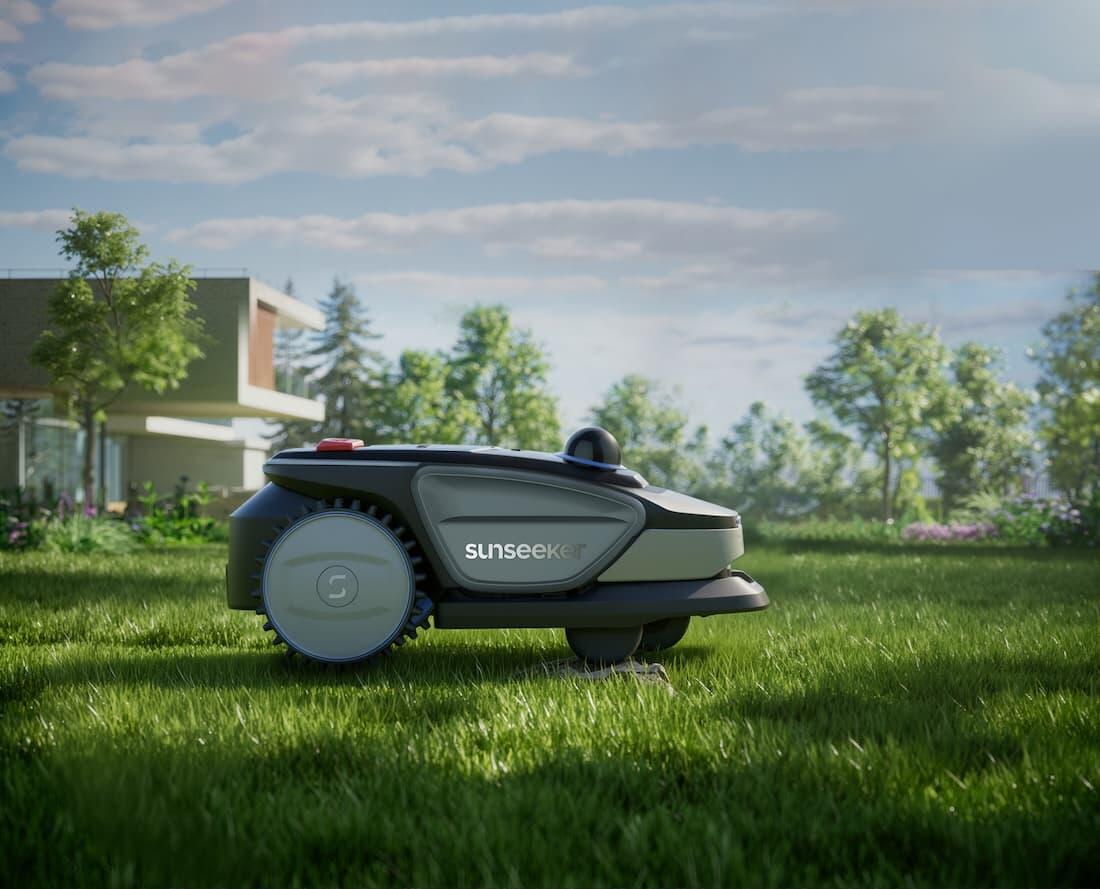
- Raise the Cutting Height:Set your mower blades to a slightly higher height than usual. A height of around 5 cm is considered the “sweet spot” for winter, as longer grass helps insulate the roots. Many robotic mowers, such as the Sunseeker S5, allow easy adjustment of this setting.
- Follow the One-Third Rule:Never mow more than one-third of the grass blade height in a single session.
- Clear the Area: Remove all debris, such as fallen branches and leaves, before mowing to ensure the grass gets adequate sunlight and airflow.
- Collect Clippings: Always clear away grass cuttings. Unlike in summer, winter clippings decompose more slowly and can suffocate the lawn or attract diseases such as Fusarium.
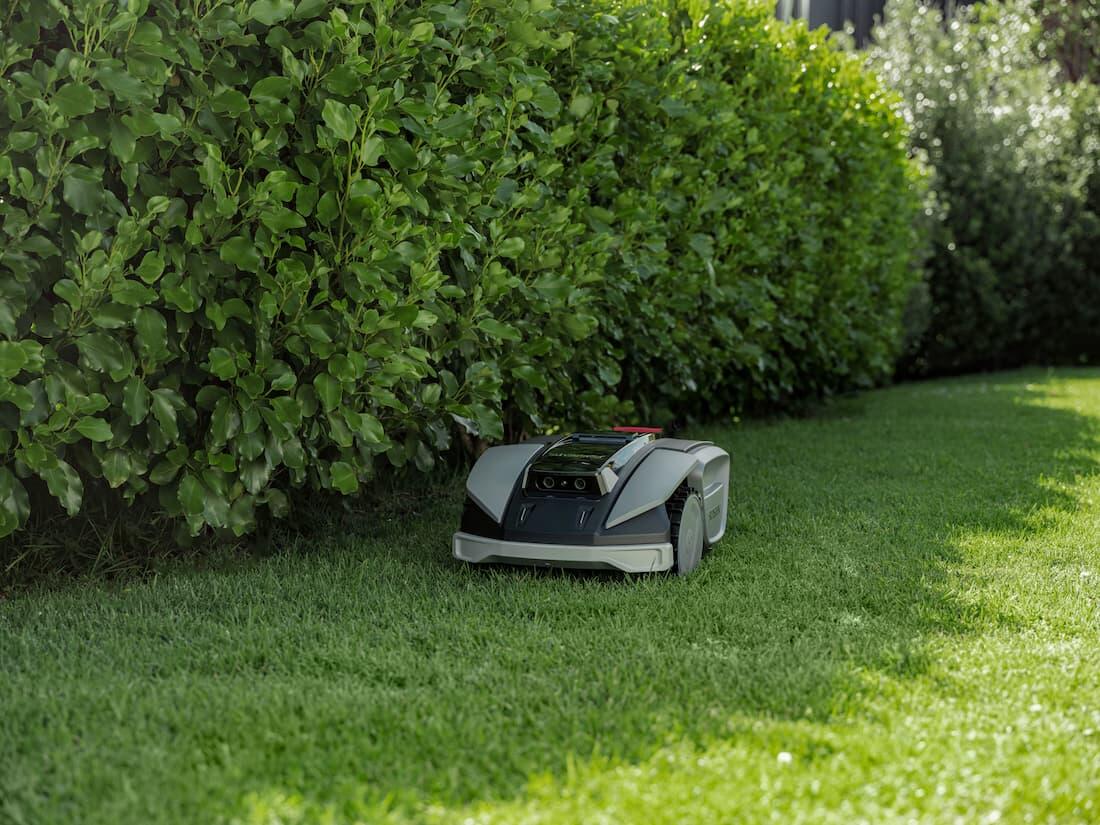
- Mow Precisely:For a clean and uniform finish, use equipment like the Sunseeker S4, which features 3D LiDAR and AI path planning to ensure consistent mowing stripes even in complex or irregular garden layouts.
When Should You Stop Mowing and Let Your Lawn Rest?
You should stop mowing and let your lawn rest when the grass enters its dormant state. This typically occurs when air temperatures consistently stay below 10°C or soil temperatures reach 4.4°C. If you have mown the grass to a height of 5 cm and notice no further growth, it is time to put the mower away for the season.
Common Winter Mowing Mistakes You Should Avoid
Avoid these common pitfalls when mowing lawn in winter to ensure your turf survives the winter and thrives in spring:
1.Mowing Frosty or Frozen Grass: When temperatures drop, grass blades freeze and become brittle because the water molecules inside them expand. Mowing or even walking on frozen turf causes these blades to snap rather than bend, leading to "brown" patches or permanent damage.
2.Cutting Too Close to a Frost: You should never mow within 48 hours of an anticipated frost. Freshly cut grass has "open wounds" that are vulnerable to cold damage, and the moisture from melting frost creates a perfect environment for fungal diseases.
3.Mowing Wet Grass or Soggy Soil: Mowing when the lawn is wet from snowmelt or rain leads to uneven, torn cuts that invite disease.
4.Leaving Clippings on the Lawn: Unlike in the summer, winter decomposition is very slow. Leaving wet clippings can block essential sunlight and trap excess moisture.
5.Improper Equipment Maintenance and Storage: Many people ask what to put in lawn mowergas tank for winter; the best practice is to add a fuel stabilizer and run the engine briefly, or drain the tank entirely. Regarding whether can you store a lawn mower outside in winter, while it is possible with a secure waterproof cover, it is not ideal. Exposure to snow and moisture causes rust and damages internal components, so indoor storage is always recommended.
Conclusion
Mowing lawn in winter should only be done when the weather is suitable and the grass is still growing, because temperature, frost, and moisture all affect how well the lawn can recover. By paying attention to these factors and using proper mowing techniques with the right cutting height, you can reduce stress on the grass and lower the risk of disease. However, once growth stops and temperatures remain low, mowing is no longer beneficial, so it is better to let the lawn rest and focus on proper mower maintenance and storage instead.
FAQs
How cold is too cold to mow a lawn?
You should avoid mowing when temperatures drop below 10°C, as grass growth becomes too slow. Growth slows significantly once air temperatures reach 7.2°C and nearly halts when soil temperatures dip to 4.4°C. Temperatures near freezing are also too cold because frost-coated grass blades are brittle and shatter under pressure. Always wait for the frost to thaw completely and the surface to dry before attempting to mow.
Should I mow before a freeze warning?
Avoid mowing if a frost or freeze is predicted within the next one to two days. Cutting grass too close to a freeze can stunt growth, damage blades, and increase the risk of disease. It is better to keep the grass slightly longer (roughly 6.5 to 7.5 cm for cool-season varieties) to insulate the root zone and protect the plant's crown.
Will grass seed be ruined if it freezes?
Frost can actually benefit ungerminated seeds by providing a protective layer. However, once seeds have germinated, freezing conditions risk destroying the vulnerable new seedlings. It is generally best to wait until the risk of frost has passed before planting. If a frost occurs after germination, covering the seedlings can help them survive. Watering the lawn the night before a freeze can also offer some protection against cold damage.